
Limited-time financing: 0% APR for 24 months on new HVAC system installs.Claim now
Boost Air And Plumbing logo — HVAC company in Arlington, TXBoost Air And Plumbing
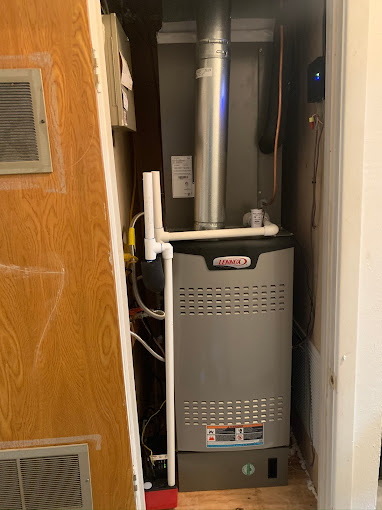
Completed furnace installation by Boost Air And Plumbing

Boost Air Blog

Furnace Tune-Up Before Winter in Arlington: What Gets Checked

Part of our HVAC Tune Up guide.

Arlington winters are short, but they are not always mild. A furnace can sit unused for seven or eight months while the AC does the heavy lifting, then get switched on the first morning a cold front blows through. That is when dust burns off, weak parts give out, and service calendars fill up fast.

A fall tune-up is a planned visit where a technician cleans, tests, and inspects your heating system before you depend on it. Here is what a thorough one should include, why each step matters, and what you can handle on your own.

Why a fall tune-up matters in North Texas

  • Long idle periods. Gas furnaces in North Texas often sit for most of the year. Igniters, flame sensors, and drain lines can develop problems while nobody is watching.
  • Shared airflow with the AC. Your furnace blower moves air for both heating and cooling, so it has already worked through a long Texas summer.
  • Attic installs. Many Arlington homes have furnaces in the attic, where heat, dust, and pests are common. Problems there are easy to miss until the system stops.
  • Safety. A gas furnace burns fuel inside your home's air system. Checking venting, burners, and safety switches once a year is about safety as much as comfort.

What gets checked during a furnace tune-up

Exact steps depend on your system, but a good gas furnace tune-up usually covers the following.

Thermostat and controls

  • Confirm the thermostat calls for heat and the furnace responds.
  • Check thermostat wiring and settings, including fan mode and any schedules.
  • Watch the full startup sequence from the call for heat to steady burner operation.

Ignition and burners

  • Inspect the hot surface igniter for cracks or wear.
  • Clean the flame sensor, a common cause of a furnace that lights and then shuts off.
  • Inspect the burners and check that the flame looks steady and even.

Safety switches

  • Test the high limit switch, which shuts off the burners if the furnace overheats.
  • Check rollout switches and the pressure switch that confirms the vent is drafting.
  • Note any error codes stored on the control board.

Venting and combustion

  • Inspect the flue or vent pipes for gaps, rust, sagging, or blockage.
  • On high-efficiency furnaces with white PVC pipes, check the intake and exhaust terminations outside.
  • Look over the heat exchanger area for signs of cracking, rust, or overheating. Some issues need further testing to confirm.

Airflow and blower

  • Check the air filter and replace it if needed.
  • Inspect and clean the blower wheel if dirt is building up.
  • Check the blower motor, capacitor (on motors that use one), and electrical connections.
  • Measure the temperature rise across the furnace to confirm it is heating within the manufacturer's range.

Gas and electrical

  • Check gas connections at the furnace for leaks.
  • Verify gas pressure where the technician has the right tools and access.
  • Tighten loose electrical connections and check voltage.

Drainage (high-efficiency furnaces)

  • Clear the condensate drain line and trap.
  • Test the condensate pump and any float switches, including the secondary pan in attic installs.

At the end, you should get a plain explanation of what was found, what looks fine, and anything worth watching or fixing. A tune-up is not a sales visit, and you should never feel pressured to approve repairs on the spot.

Heat pump owners: what changes

If your home uses a heat pump instead of a gas furnace, a fall check focuses on different parts:

  • Testing the reversing valve so the system switches cleanly into heating mode.
  • Checking defrost operation, since outdoor coils can frost over on cold, damp mornings.
  • Checking refrigerant circuit performance through temperatures and pressures.
  • Testing backup electric heat strips, which carry the load on the coldest nights.
  • Clearing leaves and debris from around the outdoor unit.

Still deciding which system is right for your home? See our comparison of a heat pump vs gas furnace for North Texas homes.

What you can do yourself before winter

You can handle a few useful steps without any tools:

  1. Replace the air filter. If it looks gray or dusty, it is time. A clogged filter can make the furnace overheat and shut off.
  2. Clear the area. Keep storage, boxes, and anything flammable away from the furnace and water heater.
  3. Check the outdoor vent pipes. Make sure leaves, nests, and debris are not blocking them.
  4. Test your carbon monoxide alarms. Replace batteries and replace any alarm past its expiration date.
  5. Run the heat for a few minutes on a mild day. A light burning smell the first time is usually dust burning off. A smell that does not fade, or any smell of gas, is not normal.

If you smell gas (a rotten egg odor), do not flip switches or start the furnace. Leave the home and call your gas utility or 911 from outside.

Leave anything inside the burner, gas, or control compartments to a licensed technician.

Signs your furnace needs more than a tune-up

Book a repair visit instead of waiting for routine maintenance if you notice:

  • The furnace will not start at all. Our furnace not kicking on checklist walks through the common causes.
  • It starts but does not light, or lights and shuts off. See furnace not igniting? common causes and what to check.
  • Short cycling, where it runs a few minutes and shuts off again and again.
  • Banging, squealing, or grinding noises.
  • A yellow, flickering burner flame instead of a steady blue one.
  • Carbon monoxide alarm activations, or headaches and nausea that ease when you leave the house. Get everyone outside and call 911.

What does a furnace tune-up cost?

Pricing depends on the type of system, how many systems your home has, where the equipment is installed, and what the technician finds. Ask for the price before the visit so there are no surprises. Any repair the technician recommends should come with an upfront price before work starts.

Frequently asked questions

How often should a furnace get a tune-up? Most manufacturers and HVAC technicians recommend a furnace check once a year, ideally in the fall before you start using heat regularly. Some manufacturer warranties also require proof of regular maintenance, so check your warranty paperwork.

How long does a furnace tune-up take? A typical furnace tune-up takes about an hour, sometimes longer if the system is dirty, hard to reach in an attic, or the technician finds something that needs a closer look.

Do heat pumps need a fall tune-up too? Yes. A heat pump heats and cools with the same outdoor unit, so it runs most of the year. A fall check covers the reversing valve, defrost operation, refrigerant circuit performance, and any backup electric heat strips.

What can I do myself before the technician arrives? Replace the air filter, clear storage away from the furnace, make sure the outdoor vent pipes are not blocked, and test your carbon monoxide alarms. Leave anything inside the burner or control compartments to a licensed technician.

Schedule your furnace tune-up in Arlington

Boost Air And Plumbing is licensed, bonded and insured, with upfront pricing and same-day appointments when available. We serve Arlington, Grand Prairie, Mansfield, Dallas, Fort Worth, and the surrounding North Texas communities. Call (817) 527-8883 or book online. Our hours are Monday through Saturday, 8am to 7pm, with after-hours and Sunday emergency appointments available. Learn more about our HVAC tune-up service.
Need a hand from a licensed tech?

Call (817) 527-8883 or book online. We serve Arlington, Grand Prairie, and the surrounding North Texas communities.

Visit our shops

Two DFW locations serving the entire Metroplex

Boost Air And Plumbing dispatches trucks from our Arlington main office and our Grand Prairie shop, covering Tarrant and Dallas counties with same-day HVAC and plumbing service. Call (817) 527-8883 for either location.

Arlington (Main Office)

Boost Air And PlumbingArlington, TX

  • 2313 Michigan Ct
    Arlington, TX 76016
  • (817) 527-8883
  • Monday to Saturday: 8:00 AM to 7:00 PM
    After-hours and Sunday emergency appointments available.
Get directions

Grand Prairie

Boost Air And PlumbingGrand Prairie, TX

  • 2100 TX-360 Ste 907
    Grand Prairie, TX 75050
  • (817) 527-8883
  • Monday to Saturday: 8:00 AM to 7:00 PM
    After-hours and Sunday emergency appointments available.
Get directions