
Arlington (Main Office)
Boost Air And PlumbingArlington, TX
- 2313 Michigan Ct
Arlington, TX 76016 - (817) 527-8883
- Monday to Saturday: 8:00 AM to 7:00 PMAfter-hours and Sunday emergency appointments available.
If your heating system is getting older, or you are planning a full replacement, the big question is usually the same one: heat pump or gas furnace? Both are common in Arlington, Grand Prairie, and Mansfield homes, and both can keep a house comfortable through a North Texas winter. They just do it in very different ways.
Here is how each system works, how they compare on comfort, operating costs, and upkeep, and how to decide which one fits your home.
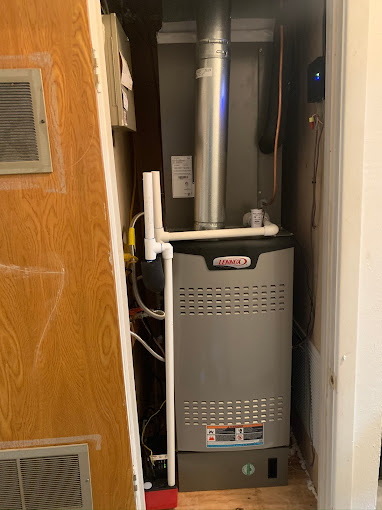
A gas furnace makes heat. It burns natural gas in a sealed burner area, and a metal heat exchanger transfers that heat into the air your blower pushes through the ducts. It is a separate piece of equipment from your air conditioner, though the two share the same blower and ductwork.
A heat pump moves heat. It is the same kind of equipment as a central air conditioner, with one extra part, a reversing valve, that lets it run in either direction. In summer it pulls heat out of your house and dumps it outside. In winter it pulls heat from the outdoor air, even cold air, and brings it inside. Because it moves heat instead of creating it, a heat pump can deliver more heat energy than the electricity it uses.
Our winters work in favor of heat pumps most of the time. Many winter days in the Arlington area stay above freezing, which is the kind of weather where heat pumps run most efficiently.
The tradeoff shows up during hard freezes and arctic cold fronts. As outdoor temperatures drop, a heat pump has less heat to pull from the air, so its output and efficiency fall. Most heat pumps in this area have backup electric heat strips that kick in on the coldest nights. Those strips work, but they use a lot of electricity while they run.
A gas furnace does not care much about outdoor temperature. It puts out the same heat on a 45 degree day as on a 15 degree night, which is why some homeowners prefer it for peace of mind during winter storms.
People who switch from a furnace to a heat pump often notice the air at the vents feels less hot. A furnace blows air that feels noticeably warm, while a heat pump delivers gentler heat over longer cycles. Both can hold the thermostat setting. It is mostly a matter of what you are used to.
Heat pumps also run a defrost cycle on cold, damp mornings, when frost builds up on the outdoor coil. You may see steam from the outdoor unit or hear it switch modes for a few minutes. That is normal.
We will not quote a number here, because the honest answer depends on your home. The main factors are:
If your home already has gas service and a furnace in good shape, that matters too. If it does not have gas, adding a gas line is a separate project with its own cost and permitting.
A heat pump runs for heating and cooling, so it works most of the year. A gas furnace only runs in winter, and your separate AC handles summer. That difference in run time is one reason gas furnaces often outlast heat pumps, though installation quality and maintenance matter more than anything else.
Either system should get a yearly check. For a furnace, that means burners, igniter, flame sensor, safety switches, and venting. For a heat pump, it means the reversing valve, defrost operation, refrigerant circuit, and backup heat strips. Our furnace tune-up guide covers what a fall check should include for both.
A dual fuel system pairs a heat pump with a gas furnace. The heat pump handles mild days, and the furnace takes over when temperatures drop to the point where gas heat makes more sense. The switchover point is set in the thermostat or control system based on your equipment and utility rates.
Dual fuel can be a good fit for North Texas homes that already have gas, since it uses the efficient option in mild weather and keeps strong gas heat for the cold snaps. It does mean more equipment to maintain.
A heat pump may make more sense if:
A gas furnace may make more sense if:
Dual fuel may make sense if you have gas and want the efficiency of a heat pump without relying on electric heat strips during cold fronts.
Before deciding, have a technician look at your electrical panel, gas service, ductwork, and the size of your home. Sizing matters. A system that is too big or too small will not keep you comfortable, no matter which type it is.
Price depends on the equipment type, efficiency rating, system size, whether ductwork or electrical work is needed, and where the equipment is installed. A side-by-side quote for the options that fit your home is the most reliable way to compare. Ask for upfront pricing in writing before any work starts.
If you are asking this question because your heat stopped working, start with a diagnosis. A furnace that will not start or keeps shutting off is often repairable. Our furnace not kicking on checklist and our guide to a furnace not igniting walk through the common causes. If the repair does not make sense for an older system, that is the time to compare a heat pump and a gas furnace.
If you smell gas (a rotten egg odor), do not touch switches or try to start the furnace. Leave the home and call your gas utility or 911 from outside.
Does a heat pump work in a North Texas winter? Yes. North Texas winters are mostly mild, and a properly sized heat pump handles typical cold days well. On the coldest nights, the system leans on backup heat, usually electric heat strips, or on a gas furnace in a dual fuel setup. Newer cold-climate models keep heating efficiently at lower temperatures than older units.
Is a heat pump or a gas furnace cheaper to run? It depends on your local electricity and natural gas rates, how efficient each system is, how well your home is insulated, and how cold the winter gets. A heat pump moves heat instead of making it, so it often uses less energy in mild weather. A gas furnace can cost less to run during long cold stretches when gas prices are low. Comparing your own utility bills and rates is the best starting point.
What is a dual fuel system? A dual fuel system pairs a heat pump with a gas furnace. The heat pump heats the home in mild weather, and the furnace takes over when it gets cold enough that gas heat makes more sense. It requires a gas line and a compatible thermostat or control setup.
Can I switch from a gas furnace to a heat pump? Usually, yes. A heat pump replaces your outdoor AC unit and pairs with an indoor air handler or your existing furnace. A technician should check your electrical panel capacity, ductwork, and system sizing first, since those affect whether the switch is a good fit.
How long do heat pumps and gas furnaces last? Lifespan depends heavily on installation quality, maintenance, and use. Gas furnaces often last longer than heat pumps because they only run in winter, while a heat pump heats and cools most of the year. Annual maintenance helps either system reach the long end of its expected life.
Boost Air And Plumbing is licensed, bonded and insured, with upfront pricing and same-day appointments when available. We serve Arlington, Grand Prairie, Mansfield, Dallas, Fort Worth, and the surrounding North Texas communities. Call (817) 527-8883 or book online. Our hours are Monday through Saturday, 8am to 7pm, with after-hours and Sunday emergency appointments available. Learn more about our heating services, heat pump installation, and furnace repair.
Call (817) 527-8883 or book online. We serve Arlington, Grand Prairie, and the surrounding North Texas communities.
Visit our shops
Boost Air And Plumbing dispatches trucks from our Arlington main office and our Grand Prairie shop, covering Tarrant and Dallas counties with same-day HVAC and plumbing service. Call (817) 527-8883 for either location.
Arlington (Main Office)
Grand Prairie