
Arlington (Main Office)
Boost Air And PlumbingArlington, TX
- 2313 Michigan Ct
Arlington, TX 76016 - (817) 612-9107
- Monday to Saturday: 8:00 AM to 7:00 PMAfter-hours and Sunday emergency appointments available.
Boost Air Blog
Part of our Commercial HVAC Repair and Installation guide.
A commercial furnace in Arlington is rarely a house furnace with a bigger thermostat. On a restaurant, a shop, a small office, or a light industrial bay it is usually one of three things: the gas heat section inside a packaged rooftop unit, a ducted furnace in a closet or mezzanine, or a unit heater hanging over a work bay. When it quits, the people downstairs notice before lunch.
Boost Air And Plumbing repairs that equipment for smaller buildings. We do not install or repair chillers. If the box on the roof is a packaged unit or the heat is a split system or a unit heater, this is the repair. Ongoing visits after it is running again are commercial HVAC maintenance. The price to replace a failed heat section or a whole cabinet is a different conversation, covered in commercial furnace replacement cost in Arlington. The same no-heat repair in a neighboring city is commercial furnace repair in Fort Worth.
If someone smells gas (a rotten egg odor), do not keep the unit running and do not look for the leak with a lighter or by opening gas piping. Get people out of the affected area, avoid switches if the smell is strong, and call the gas utility or 911 from outside. If a carbon monoxide alarm sounds, or anyone has a headache, nausea, or dizziness that eases outdoors, move people outside and call 911. Carbon monoxide has no smell. A "hot heater" odor is not a test for it.
Smoke, a burning-plastic smell, or a breaker that trips means that unit stays off. Reset a breaker once. A second trip stays off. Do not open a rooftop electrical compartment to see which wire smelled.
Commercial cooling in North Texas runs for months. The gas section often does not. The first cold morning is the first time the igniter, the flame sensor, and the vent path have been asked to work since spring. That is why a rooftop unit that cooled fine in September can have no heat in November while the compressor is still healthy.
Common reasons the heat will not stay on:
A light dusty smell on that first firing can be dust cooking off the heat exchanger, the same idea as a house furnace after a long summer. It should fade. Plastic, a smell that builds, soot, or symptoms mean shut the unit down. Commercial furnace tune-up in Irving is the planned check that catches a coated sensor before the Monday the dining room is cold.
Packaged rooftop. Heating and cooling share the curb, the blower, and usually the filters. A no-heat call still needs roof access, a safe way up, and weather that allows the panels to come off. The gas piping and the flue are on the roof with the unit. Crane work is a replacement topic, not a sensor replacement. Commercial AC replacement cost in Arlington is what changes when the whole cabinet has to go.
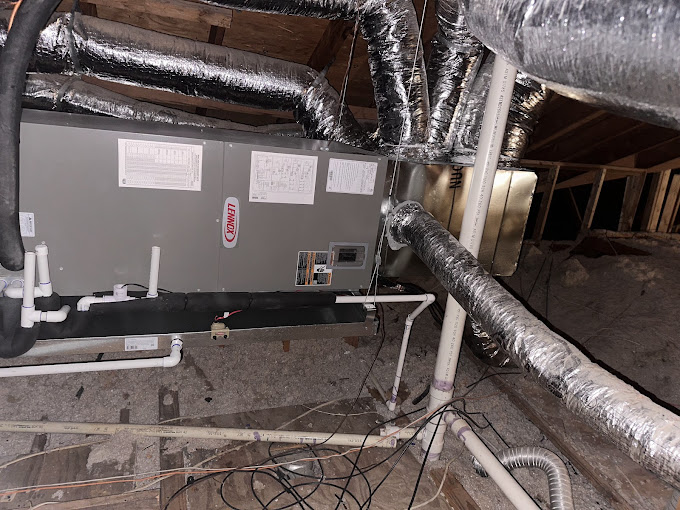
Ducted commercial furnace. Closer to a large residential furnace, often in a closet or above a ceiling. The failure list is similar: igniter, sensor, limit, vent, drain. Access may mean a ladder and a ceiling tile, and the space below may be open to customers while that happens. Say so when you book.
Unit heater. A hanging heater in a bay heats the air in the room, not a long duct system. A failed fan, a bad igniter, or a heat exchanger that has rusted through is the repair. Exhaust must leave the building. Do not run a unit heater that is spilling combustion products into the bay. High ceilings change how the repair is reached. That is labor, and it belongs on the quote.
Kitchen grease, lint from a process, and filters nobody changed in a year show up on all three. They are airflow problems until they become heat-exchanger problems. Maintenance is what keeps a unit on the long end of its life. The logo on the cabinet matters less than whether the heat section was installed so it can vent, move air, and fire cleanly.
Keep people out of the mechanical area.
Do not send an employee onto a roof to read a blink code. Do not jumper a safety switch so the morning service can start. Write down what the thermostat was set to and whether any part of the building still has heat. A second unit that still heats tells us the gas service to the building may be fine and the failed unit is local.
An igniter, a flame sensor, a capacitor, a contactor, or a fan motor on a younger unit with a sound cabinet and heat exchanger is a repair. You should hear what failed and the price after diagnosis and before parts go in.
Ask for a replacement price when the heat exchanger has failed, the cabinet is rusted through, the same limit trip keeps coming back after airflow is corrected, parts for that model are no longer available, or the unit is around 15 years old and a major section has failed. Commercial equipment that runs long hours does not get the idle life a house furnace gets. A repair that is a large share of a new unit is worth seeing side by side.
We do not quote a new furnace from a phone description of a smell. The visit is how we see the heat exchanger, the vent, and the gas piping. If the cooling section is what actually failed, the rooftop guide is the closer cost conversation. Many packaged units get replaced as a whole cabinet even when the complaint was heat, because the curb, the crane, and the electrical work do not get cheaper by leaving a dead compressor in place. That scope should be written down, not assumed.
A retail suite that can live without one rooftop on a mild morning is a different job from a restaurant that can only be down after close, or a clinic that cannot drop a zone during the day. After-hours and Sunday emergency appointments are available. They are not the same labor cost as a weekday visit, and the quote should say which hours we are using. We do not promise that every no-heat call is the same day. We do say what we found before we replace parts.
Commercial HVAC repair and installation is the service page for this work. A free on-site walkthrough applies to maintenance estimates, not to a unit that is already down. A down unit is a repair. The repair is quoted on its own.
Boost Air And Plumbing repairs commercial gas heat for smaller buildings in Arlington and nearby North Texas communities: packaged rooftop units, ducted furnaces, and unit heaters. We do not service chillers. See our commercial HVAC repair and installation service and HVAC service in Arlington. Call (817) 612-9107 or book online. Hours are Monday through Saturday, 8am to 7pm, with after-hours and Sunday emergency appointments available.
What counts as a commercial furnace in a small Arlington building? Usually the gas heat section of a packaged rooftop unit, a ducted furnace serving an office or retail suite, or a unit heater hanging in a shop or warehouse bay. Boost Air And Plumbing repairs that equipment. We do not install or repair chillers.
Why would a rooftop unit cool all summer and then have no heat? The cooling and heating sections share a cabinet and often a blower, but the gas valve, igniter, flame sensor, and heat exchanger sit idle through a long cooling season. A coated sensor, a failed igniter, a closed gas cock, or a tripped limit switch shows up on the first cold morning. The compressor can still be fine.
Can staff stay in the building during a furnace repair? Often yes, if the space has another source of heat or the weather is mild and the work is on one unit. A gas smell, a carbon monoxide alarm, or smoke means people leave that area and the unit stays off. Tell us whether customers are in the space and which hours the doors can be closed. After-hours labor is a real line on the quote.
Is a burning smell on a commercial furnace an emergency? A light dusty smell on the first heat cycle of the season can fade as dust cooks off the heat exchanger. Rotten eggs, hot plastic, smoke, soot, or a smell that builds means shut that unit off. If anyone feels ill or an alarm sounds, get people out of the space and call 911. Carbon monoxide has no smell.
Should we repair the heat section or replace the unit? A sensor, igniter, or gas valve on a younger unit with a sound heat exchanger is often a repair. A cracked heat exchanger, a rusted cabinet, or a unit around 15 years old with a major failure is a replacement conversation. You should hear both the repair price and, when it applies, the replacement price after diagnosis and before work starts.
Do you service the furnace if the thermostat is locked in a building controller? Yes, if we can see how the unit is being told to heat. A controller that never calls for heat looks like a dead furnace. Tell us whether the space uses a simple commercial thermostat or a building system so the visit starts in the right place. We do not bypass safety switches to force a call for heat.
Call (817) 612-9107 or book online. We serve Arlington, Grand Prairie, and the surrounding North Texas communities.
Visit our shops
Boost Air And Plumbing dispatches trucks from our Arlington main office and our Grand Prairie shop, covering Tarrant and Dallas counties with same-day HVAC and plumbing service. Call (817) 612-9107 for either location.
Arlington (Main Office)
Grand Prairie