
Arlington (Main Office)
Boost Air And PlumbingArlington, TX
- 2313 Michigan Ct
Arlington, TX 76016 - (817) 612-9107
- Monday to Saturday: 8:00 AM to 7:00 PM
Boost Air Blog
Furnace Flame Sensor in Mansfield? Call (817) 612-9107 or Book Online
Part of our Furnace Repair guide.
Quick answer
A furnace flame sensor in Mansfield proves the burners lit. When it is dirty or failing, the burners light and the gas shuts off within a few seconds, then the furnace retries and locks out. Cleaning or replacing that rod is a technician job on a gas furnace, and a limit switch or a weak flame can look the same. If you smell gas, leave and call from outside.
A furnace flame sensor in Mansfield is the small metal rod that tells the control board the burners are actually lit. When it cannot do that, the furnace lights and then shuts off. You may hear the inducer, see or smell a short burn, feel a little heat at a nearby vent, and then the gas valve closes. The furnace tries again. After a few tries it locks out. The blower can still come on and push room air, which feels like the heat "ran" and the house stayed cold.
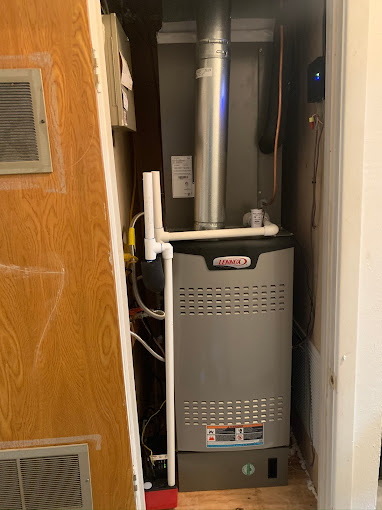
A lot of Mansfield houses are slab-on-grade, with the furnace in the attic or a hall closet. The sensor is in the burner box either way. The furnace spends spring through fall mostly off while the blower runs for cooling. Dust settles on that rod, and the first cold night is when the coating shuts the gas off in seconds.
A furnace that runs and the rooms stay cold, including this pattern, is furnace running but not heating in Mansfield. A furnace that starts and then dies and stays off, including a coated sensor, is furnace keeps shutting off in Grand Prairie. An igniter that never glows, so no flame starts at all, is furnace ignitor replacement in Arlington. Furnace repair is the service. HVAC service in Mansfield is the local page.
If you smell gas (a rotten egg odor), stop. Do not cycle the thermostat, open the burner cover, or use a phone inside. Leave the home and call your gas utility or 911 from outside. If a carbon monoxide alarm sounds, or anyone has a headache, nausea, or dizziness that eases outdoors, get everyone out and call 911. A flame sensor shutdown is the valve closing because flame was not proved. A gas smell means gas is where it should not be. Leave.
Do not sand the sensor yourself. It sits in a gas appliance, on a wire the board is reading. The wrong rod, a rod bent out of the flame, or a homeowner wire brush on a different metal part in the burner box makes the next visit harder. Leave the cover on.
Most furnaces built in the last few decades start in a fixed order. The thermostat calls. The inducer runs and the pressure switch proves the vent is open. The igniter glows. The gas valve opens. Flame has to appear, and the sensor has to prove it within a few seconds, or the board closes the valve. The blower starts only after the heat exchanger is warm, or it may run later to cool a furnace that never established flame.
The sensor is not the igniter. The igniter makes the heat that lights the gas. The sensor only confirms the flame. If the igniter never glows, the burners stay dark. You get inducer, maybe a click, and no flame at all. If the burners catch and then die, you are usually past the igniter. That split matters, because the parts are not interchangeable and the symptoms are easy to lump together as "it will not stay lit."
A film of dust or oxidation on the rod can drop that signal below what the board accepts. The flame can be real, and the board still closes the valve. The furnace is doing the safe thing.
A sensor that fails only sometimes, lighting on the third try, is still a sensor problem until a technician proves otherwise. Repeated resets hide it and can leave unburned gas in the burner area if something else is also wrong. Reset once after you have checked the filter and the door. If it lights and dies again, stop.
What a dirty sensor often is not: a roar, soot at the registers, or a yellow lazy flame. Those point at draft, burners, or the heat exchanger. Leave that furnace off. Do not treat soot as a cleaning job on the sensor.
Cleaning is for a rod that is coated but still sound. The technician removes the sensor, cleans the metal that sits in the flame, and puts it back in the same place, with the wire connected and the ceramic intact. The board has to see flame on the next call. If it does, the coating was the fault. You should hear that result, not a stack of other parts "while we are in there."
Replacement is for a rod that is pitted, cracked, loose, or still will not prove flame after it is clean. It has to match the furnace. A lookalike from a hardware store can sit in the mount and still miss the flame, or it can read differently than the board expects. The position matters as much as the part. A sensor moved even a short distance out of the flame will shut a good burner off.
Neither job is a screwdriver project on a live gas valve. The burner cover stays on until someone who works on that furnace is there, the gas is handled correctly, and the sequence is watched through a full cycle. There is no single Mansfield price for the sensor. The number depends on the furnace and the diagnosis: a cleaning, a matching rod, and whether the flame itself is the real problem. You hear the price before parts go in.
A dirty sensor is the common cause of "lights, then dies in seconds." It is not the only one.
High limit. A packed filter, a dirty coil, closed supplies, or a weak blower lets the heat exchanger overheat. The limit opens and the burners die, often after longer than a few seconds, with the blower still running. A new filter that does not fix it means stop.
Pressure switch or a blocked vent. A blocked PVC intake or exhaust, a cracked hose, or water in the pressure line can drop the gas after the burners light. From the ground, clear leaves or a cover on the outdoor pipes. Do not pull hoses in the attic.
Weak flame, rollout, or the board. The sensor can only prove a flame that actually reaches it. A yellow lazy flame, soot, or scorch marks means shut the furnace off. That is not a sensor cleaning. Less often the rod is clean and the board is not reading it. That is checked after the rod, not instead of it.
A high-efficiency furnace in a Mansfield attic also makes condensate. A full trap or a failed pump can open a float and shut the burners off. If water is coming through a ceiling, shut the furnace off. That is a drain problem. It is not fixed by sanding a sensor.
The visit follows the sequence instead of replacing the sensor on the story alone. Inducer and pressure switch first, then ignition, then whether the sensor proves flame. A coated rod gets cleaned or replaced when that is the failed step. The limit, the rollout, and the condensate safety get looked at when the timing does not match a flame-sense fault. You should hear which step failed, and the price, before parts go in.
A cleaning or a matching sensor on a younger furnace with a sound heat exchanger is often a repair. A cracked heat exchanger, soot, or a major failure on a furnace around 15 years old is a replacement conversation. The U.S. Department of Energy's Energy Saver material lists a furnace more than 15 years old as one reason to consider replacement. That is a prompt, not an expiration date. Ask for a free replacement estimate if the numbers are close. The repair quote stands on its own when the furnace is still a reasonable candidate.
Boost Air HVAC & Plumbing repairs furnaces in Mansfield, Arlington, Grand Prairie, Fort Worth, and nearby communities. We do not service boilers. See our furnace repair service and HVAC service in Mansfield. Call (817) 612-9107 or book online. $0 service fee with approved repair. Same-day service Mon-Fri. Hours are Monday through Saturday, 8am to 7pm.
What does a furnace flame sensor do? It proves the burners actually lit. After the igniter glows and the gas valve opens, the sensor has to see flame within a few seconds. If it does not, the control board closes the gas valve. That shutdown is the safety working, not a furnace that "almost" heated.
What are the signs of a dirty or failing flame sensor? The burners light, you may feel a short burst of heat, and the gas shuts off within seconds. The furnace tries again, then locks out. The blower may still run, so the vents feel like cold air. A sensor that never lets the burners stay lit is different from an igniter that never glows.
Is cleaning the flame sensor a homeowner job? No. The sensor sits in the burner box of a gas furnace. Cleaning means removing the correct rod, cleaning the metal that sits in the flame, and putting it back where the flame actually is. The wrong rod, or a rod moved out of the flame, makes the next diagnosis harder. Leave the burner cover on.
When is the sensor replaced instead of cleaned? A light coating after a summer of sitting is often a cleaning. A rod that is pitted, cracked, loose in its mount, or still will not prove flame after it is cleaned is a replacement, and it has to match the furnace. Other faults, including a limit switch, a weak flame, or a pressure switch, can shut the burners off with a good sensor.
What if I smell gas when the furnace lights and dies? Leave. Do not keep cycling the thermostat, and do not open the burner cover. Call your gas utility or 911 from outside. A short ignition that shuts off is often the flame sensor. A gas smell is a different event.
Call (817) 612-9107 or book online. We serve Arlington, Grand Prairie, and the surrounding North Texas communities.
Visit our shops
Boost Air And Plumbing dispatches trucks from our Arlington main office and our Grand Prairie shop, covering Tarrant and Dallas counties with same-day HVAC and plumbing service. Call (817) 612-9107 for either location.
Arlington (Main Office)
Grand Prairie