
Arlington (Main Office)
Boost Air And PlumbingArlington, TX
- 2313 Michigan Ct
Arlington, TX 76016 - (817) 612-9107
- Monday to Saturday: 8:00 AM to 7:00 PM
Boost Air Blog
No Heat on the First Cold Night in an Irving, TX House? Call (817) 612-9107 or Book Online
Part of our Furnace Repair guide.
Quick answer
Furnace repair in Irving usually starts the first night a cold front asks a furnace that sat all summer to light. The safe checks stop at the thermostat, the filter, the blower door, and one breaker reset. A pilot that will not stay lit and a weird smell at startup are separate faults. If you smell gas or a carbon monoxide alarm sounds, leave and call from outside.
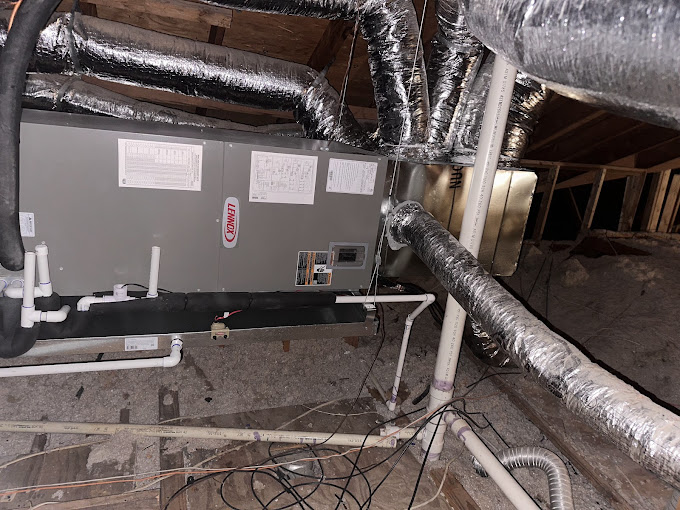
Furnace repair in Irving usually starts the first night a front actually feels cold. The house cooled all summer. The blower may have run for months. The burners did not. Then the thermostat calls for heat, and the furnace clicks, blows cold air, or stays silent. Irving houses mix older equipment with systems from the last two decades. Many are slab homes with the furnace in a hall closet or an attic, the same layout as the rest of this part of North Texas. The sequence inside the cabinet is the same. What you are allowed to touch before a technician arrives is a short list.
Two Irving complaints get their own pages because they are easy to mix into a general no-heat call. A standing flame that will not stay lit, or a newer furnace people describe as a pilot, is furnace pilot light won't stay lit in Irving. A smell when the blower or the burners first come on is weird smell when the furnace turns on in Irving. This page is the repair visit around those: what fails on the first cold night, what you can check, and when to leave the furnace off.
If you smell gas (a rotten egg odor), stop. Do not flip switches, use a phone inside, or try to relight anything. Leave the home and call your gas utility or 911 from outside. If a carbon monoxide alarm sounds, or anyone has a headache, nausea, or dizziness that eases outdoors, get everyone out and call 911. Do not reset the alarm and keep the furnace running. Carbon monoxide has no smell. A weird odor is not a test for it.
Electrical problems are a stop. Reset a tripped breaker once. If it trips again, or you see scorched wire or smell electrical burning at the switch, leave it off. Do not open the blower compartment to look at the board.
Most furnaces built in the last few decades start in a fixed order. The thermostat calls. The inducer runs and a pressure switch proves the vent. The igniter glows. The gas valve opens. The flame sensor proves flame. The blower starts after the heat exchanger is warm. If any step fails, you get silence, a click, a short burst of heat, or cold air at the vents.
A summer of sitting is hard on the parts that only work in heat. Dust coats the flame sensor, so the burners light and the valve closes within seconds. A hot surface igniter that cracked last winter sits dark until the next call, so the gas valve never opens. A filter that was fine in May can be packed by November, the heat exchanger overheats, and the limit shuts the burners off while the blower keeps running. Write down which of those you hear. It is a different repair in each case.
Older Irving furnaces may still have a standing pilot and a thermocouple. Newer ones do not. If you are not looking at a small flame that burns with the burners off, you do not have a pilot to relight. Do not take the burner cover off to find out. The pilot guide linked above sorts those two furnaces.
A high-efficiency furnace adds one more winter fault. It makes condensate. A clogged trap or a failed pump in an attic can open a float and stop the burners. If a pan over a bedroom is already wet, shut the furnace off. That water is not a reason to keep testing the igniter.
None of these open the burner box.
If the house then heats and holds, the filter or the setting was the fault. If it does not, more resets do not help. They can overheat the heat exchanger or hide a flame that is not staying where it belongs.
Call for furnace repair when the checks above are done and the house still will not heat. Also call if the burners light and shut off, you see soot or a yellow flame instead of steady blue, a rollout switch has tripped, water is in an attic pan, or the same error code returns. A smell you cannot sort, especially rotten eggs, burning plastic, or an odor with anyone feeling sick, is not a wait-until-morning item. Gas and carbon monoxide mean leave. An electrical burning smell means the breaker stays off.
The visit follows the sequence instead of replacing parts until something changes. Thermostat call, power and the door switch, inducer and pressure switch, igniter, gas valve, flame sensor, limit and rollout, blower, and temperature rise. On a high-efficiency furnace, the condensate safety is part of that list. You should hear which step failed, and the price, before parts go in. There is no single Irving repair price. The number depends on the furnace and the diagnosis: the failed part, a closet versus an attic, and whether the heat exchanger is sound.
HVAC service in Irving is the local page.
An igniter, a flame sensor, a capacitor, a door switch, or a pressure switch on a younger furnace with a sound heat exchanger is often a repair. Those parts fail from heat cycles and from a summer of sitting. They do not mean the cabinet is finished.
A cracked heat exchanger, a rusted cabinet, soot, a flue that spills, or a major failure on a furnace around 15 years old is a replacement conversation. The U.S. Department of Energy's Energy Saver material lists a furnace more than 15 years old as one reason to consider replacement. That is a prompt, not an expiration date, and it is not an Irving quote. The badge is a weak predictor. Airflow, the vent, burner setup, and a size that does not short cycle decide how long the next furnace lasts. Ask for a free replacement estimate when the numbers are close. The repair quote is separate, and it stands on its own when the furnace is still a reasonable candidate.
Do not bypass a rollout switch, jumper a pressure switch, or tie a gas valve open to force heat overnight. Those parts are the reason a failed furnace is often just cold. We do not service boilers.
Boost Air HVAC & Plumbing repairs gas furnaces in Irving, Arlington, Grand Prairie, Fort Worth, and nearby communities. See our furnace repair service and HVAC service in Irving. Call (817) 612-9107 or book online. $0 service fee with approved repair. Same-day service Mon-Fri. Hours are Monday through Saturday, 8am to 7pm.
What furnace repairs are most common in Irving at the start of winter? Furnaces that sat through a long cooling season and then will not heat on the first cold night. Typical stops are a dirty flame sensor, a hot surface igniter that will not glow, a limit trip from a packed filter, a pressure switch or a blocked vent, and, on older furnaces, a standing pilot that will not stay lit. The symptom tells you which step stopped.
What can I safely check before I call? Set the thermostat to Heat, fan AUTO, and a setpoint above the room. Replace a filter you cannot see light through and latch the blower door. Reset a tripped breaker once. Confirm the gas handle you can see is parallel to the pipe. Clear leaves from outdoor PVC pipes if you can do that from the ground. Do not open the burner cover.
Does my Irving furnace have a pilot light? Many furnaces from the last couple of decades do not. They light with a hot surface igniter or a spark, then a flame sensor proves the burners. A small standing flame with the burners off is a pilot. A glow and a click, with no standing flame, is a different repair. Do not take the cover off to hunt for a flame.
When should I stop resetting the furnace and call? Call if the checks are done and the house still will not heat, the burners light and die, a rollout switch has tripped, you see soot or a yellow flame, the same code returns, or the breaker trips again. Gas smell and a carbon monoxide alarm are not a repair call from inside the house.
When is Irving furnace repair a replacement conversation? An igniter, a flame sensor, a capacitor, or a pressure switch on a younger furnace with a sound heat exchanger is often a repair. A cracked heat exchanger, soot, a rusted cabinet, or a major failure on a furnace around 15 years old is a time to hear a replacement price next to the repair. The repair quote stands on its own when the furnace is still a reasonable candidate.
Call (817) 612-9107 or book online. We serve Arlington, Grand Prairie, and the surrounding North Texas communities.
Visit our shops
Boost Air And Plumbing dispatches trucks from our Arlington main office and our Grand Prairie shop, covering Tarrant and Dallas counties with same-day HVAC and plumbing service. Call (817) 612-9107 for either location.
Arlington (Main Office)
Grand Prairie