
Arlington (Main Office)
Boost Air And PlumbingArlington, TX
- 2313 Michigan Ct
Arlington, TX 76016 - (817) 612-9107
- Monday to Saturday: 8:00 AM to 7:00 PMAfter-hours and Sunday emergency appointments available.
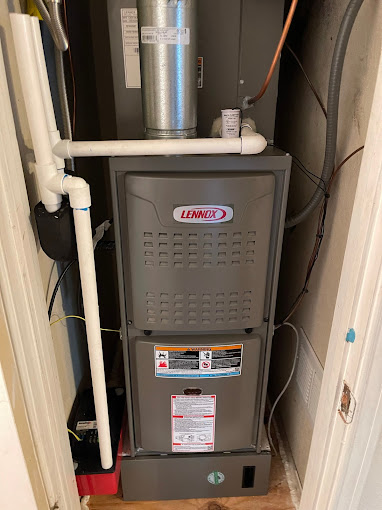
The furnace clicks on and the room smells wrong. Not always like smoke. Sometimes like a wet towel, sometimes like dust, sometimes like hot plastic, sometimes like something you cannot name. In Irving that call piles up on the first cold week, because the furnace has been off since spring and the blower has not.
A weird smell is a sorting problem. The safe response depends on which smell it is. This page walks through the odors homeowners actually describe when the furnace turns on, and what to do with each one before anyone opens the cabinet.
If you smell gas (a rotten egg odor), stop here. Do not flip switches, use a phone inside, or try to relight anything. Leave the home and call your gas utility or 911 from outside. If a carbon monoxide alarm sounds, or anyone has a headache, nausea, or dizziness that eases outdoors, get everyone out and call 911. Carbon monoxide has no smell. You cannot decide it is "probably the furnace" by how odd the odor is.
Smoke, sparks, or a smell of melting plastic means turn the furnace off if you can do that safely and get out if the smell is thick. Call 911 if you see fire. Do not open the electrical panel or the burner compartment to find the source.
The timing tells you more than a single word like "weird."
Before the burners light, as soon as the blower moves. The odor is in the airstream or the blower cabinet: a musty coil, dust on the wheel, debris in the return, or a motor that is already hot. The gas valve may not even be open yet.
A minute or two after the burners light. Something on the heat exchanger or the burners is getting hot. Dust on the first startup of the season does this. So does plastic, wiring, or a vent problem that shows up once the furnace is actually firing.
Only in one room. A single register that smells, while the others do not, points at that run of duct or something in that room, not at a cracked heat exchanger for the whole house. Still shut the system off if the odor is electrical or like gas.
Every cycle, all winter. A one-time first-run smell fades. A smell that returns every evening is still being produced. That is a service call, not a window you leave cracked.
Write those three things down: when it starts, whether it fades, and whether it is one room or the whole house. That is the note a technician can use. The shut-off list is in furnace smells like burning: when to worry in Garland.
Dry, hot, like dust on a lamp. Strongest at the start of the first heat cycle, then weaker. No smoke. This is the dust that settled on the heat exchanger while the furnace sat idle. Is a dust burning smell normal covers how long that version should last. Furnace burning smell on first startup in Arlington is the same first-night pattern.
If that is truly the smell, one watched cycle with a clean filter and fan set to AUTO is a fair test. If it does not fade, stop calling it dust.
This one confuses people because it arrives with the heat and they assume the burners caused it. Often the burners are beside the point. The evaporator coil sits on the furnace. All summer it was wet. A slow drain, a pan that holds water, or a coil that grew a film will smell as soon as the blower pushes air across it. Heat makes the odor more obvious because you are in the house with the windows shut.
What you can check without opening the cabinet:
A musty smell is not a gas leak and it is not carbon monoxide. It is still a reason to call if a new filter does not settle it, if water is staining the ceiling under an attic unit, or if the drain has overflowed into the safety switch. Those switches shut equipment down for a reason. Do not bypass them.
This is the smell to take seriously in the first minute. Dust is dry and papery. Melting wire insulation, a failing blower motor, and an overheated control board smell sharp, chemical, or like hot electronics. Some people describe it as fishy.
Turn the furnace off at the switch on or near the unit. If the smell is already thick or you see smoke, leave and call 911. If the breaker tripped, reset it one time. A second trip stays off. A motor that smells hot and the burners never light is still an electrical problem. Do not pull the blower to smell it more closely, and do not replace a motor yourself to "see if that was it."
An oil smell that builds on an older furnace can be the same family: a bearing or a motor, not dust. A faint oil or paint smell on a furnace that was installed this week can be coatings on a new heat exchanger, and it should fade over the first few cycles. If it builds or smokes, call the installer and leave the furnace off.
That is the odorant gas utilities add so a leak is obvious. Furnace dust will not smell like that. A loose joint, an extinguished pilot on an older furnace, or a valve that opened without a flame can put gas in the cabinet. You will not sort those out safely from the hallway.
Leave the home. Do not use switches or a phone inside. Call the gas utility or 911 from outside. Do not go back in to open a window. Neighbors' gas appliances are not your troubleshooting step. If the stove and the water heater are out too, that is still a utility call, from outside.
A fuel-like or metallic odor once the furnace is firing, soot on the draft hood or a register, or a flame that looks yellow and lazy through the sight glass means the furnace is not burning cleanly or the vent is not taking the exhaust outside. Leave it off. Do not remove the burner cover. Do not try to "adjust" a flame.
High-efficiency furnaces in a lot of Irving attics vent through white PVC. From the ground, look for a nest, leaves, or a cover on those pipes. Do not open the flue in the attic. A separated vent pipe is a carbon monoxide risk. An older metal flue that has rusted or pulled apart is the same kind of stop.
If anyone feels ill, get out and call 911 even if you think the smell is "just the heater." The alarm on each floor is the check you can do before the season, not during a symptom.
Gas is rotten eggs, the sulfur odorant. A different rotten smell, like something died, can be an animal or debris in the return, the blower cabinet, or a duct. It often hits as soon as the blower starts, and it does not fade the way dust does. Shut the system off so you are not distributing it. Do not crawl the attic duct or stick a hand into the blower. That is a service call, and it is a health issue if the system keeps running.
None of this involves the burner cover.
If the furnace starts and then the burners die, the smell may be a failed ignition sequence rather than a mystery odor. The furnace not igniting guide covers that pattern. A blower that runs with cold air is furnace blowing cold air in Grand Prairie.
A technician can watch the startup, read the flame, check the vent, test the limit and rollout switches, and see whether the smell is the coil, the blower, or the heat exchanger. You should hear what failed, and the price, before any repair starts. Cleaning a flame sensor or replacing a motor is a different job from condemning a heat exchanger. The smell alone is not that diagnosis.
Furnace repair is the right page when the odor is electrical, keeps coming back, or arrived with a furnace that will not stay lit. A checkup before the next front, while the furnace still starts, is a furnace tune-up.
How long the furnace lasts depends more on airflow, venting, and a clean combustion setup than on the brand on the door. A weird smell is a reason to confirm those, not a reason to buy a different badge the same day.
Boost Air And Plumbing repairs gas furnaces in Irving, Arlington, Grand Prairie, Dallas, Fort Worth, and nearby North Texas communities. See our furnace repair service and HVAC service in Irving. Call (817) 612-9107 or book online. Hours are Monday through Saturday, 8am to 7pm, with after-hours and Sunday emergency appointments available.
Why does my furnace smell weird only when it turns on? The smell is usually something the blower picks up as soon as air moves, or something that starts cooking when the burners heat the heat exchanger. Dust, a damp evaporator coil, a dusty blower, and a hot electrical part all show up in that first minute. The type of smell matters more than the fact that it is weird.
What does a normal first-startup smell smell like? Dry and hot, like dust on a heater, and it fades during the first cycle or the next one. It should not smoke, leave soot, or make anyone feel sick. A musty smell, a plastic smell, or rotten eggs is a different odor with a different response.
Why do the vents smell musty when the heat comes on? The furnace and the air conditioner share a coil and a blower. After a long cooling season the coil and drain pan can hold a damp, dirty smell. The first time the blower runs for heat, that odor comes out of the vents. It is not a gas leak. A strong musty smell still needs service if a new filter and a clear drain line you can see outside do not help. Do not pour bleach into the furnace.
Is a burning plastic smell an emergency? Treat it as a shut-off. Dust does not smell like melting plastic or hot electronics. Turn the furnace off at its switch if you can do that without staying in the smoke. If you see smoke or fire, leave and call 911. If a breaker trips, reset it once. If it trips again, leave it off.
Can a weird smell be carbon monoxide? Carbon monoxide does not smell. You will not identify it by sniffing the vent. Headache, nausea, or dizziness that eases outdoors, or an alarm, means get everyone outside and call 911. A weird smell can still mean a venting or heat-exchanger problem that a technician has to check before you use the furnace again.
What should I tell the technician about the smell? Say when it starts (blower only, or after the burners light), what it smells like in plain words, whether it fades, and whether anyone felt ill. Mention soot, a yellow flame, a tripped breaker, or an error light if you saw one. Do not take the burner cover off to collect more detail.
Call (817) 612-9107 or book online. We serve Arlington, Grand Prairie, and the surrounding North Texas communities.
Visit our shops
Boost Air And Plumbing dispatches trucks from our Arlington main office and our Grand Prairie shop, covering Tarrant and Dallas counties with same-day HVAC and plumbing service. Call (817) 612-9107 for either location.
Arlington (Main Office)
Grand Prairie