
Arlington (Main Office)
Boost Air And PlumbingArlington, TX
- 2313 Michigan Ct
Arlington, TX 76016 - (817) 612-9107
- Monday to Saturday: 8:00 AM to 7:00 PMAfter-hours and Sunday emergency appointments available.
Boost Air Blog
Furnace Blowing Cold Air in Fort Worth? Call (817) 612-9107 or Book Online
Part of our Furnace Repair guide.
Quick answer
Furnace blowing cold air in Fort Worth means the blower is moving air while the burners are not heating it, or heated air is not reaching the room. Older pier-and-beam houses often have a closet furnace, while many newer houses put the furnace and ducts in the attic, so the repair is not the same even when the checks are. If you smell gas, leave and call the gas utility or 911 from outside.
Furnace blowing cold air in Fort Worth is a blower that is moving air and burners that are not heating it, or heated air that never reaches the room. The fan is on, so it feels like the heat is working. The house is not.
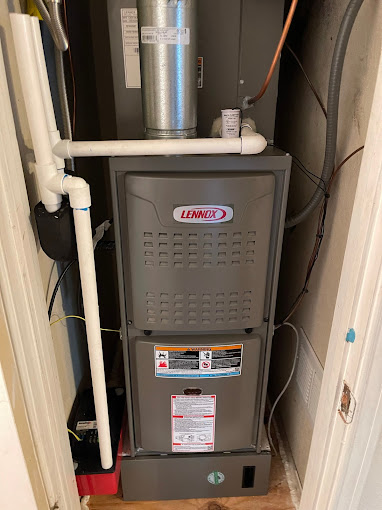
Fort Worth houses do not all fail the same way. Closer-in neighborhoods and a lot of older pier-and-beam homes put the furnace in a hall closet, with returns that can pull from a crawl space if a joint has opened up. Farther out, including many newer sections to the north and southwest, the furnace and the ducts sit in the attic. Cold air at a bedroom vent can be dead burners in one house and a duct joint in the other. The safe checks are the same. The repair is not.
If you smell gas (a rotten egg odor), stop here. Do not flip switches, use a phone inside, or try to relight anything. Leave the home and call your gas utility or 911 from outside. If a carbon monoxide alarm sounds, or anyone has a headache, nausea, or dizziness that eases outdoors, get everyone out and call 911 from outside. Do not reset the alarm and keep the furnace running. Do not open windows and stay inside to see if it stops. The leave-the-house steps are in carbon monoxide alarm going off when the furnace is on in Arlington.
The air already in the ducts comes out first. In an attic system that air sat in a cold attic. In a pier-and-beam house the trunk may run under the floor, and the first air is just as cold. Some furnaces also pause before the blower starts. Cool air for the first minute or so is normal if it then turns warm and stays warm.
If the air is still cold after several minutes of a steady call for heat, the burners are not staying on, or the heated air is leaving the duct before it reaches you. If it warms up and then goes cold while the fan keeps running, a safety switch has often shut the gas off and left the blower on to cool the furnace. That second pattern is the one people run all evening, hoping the next cycle will hold.
The same complaint in Grand Prairie is furnace blowing cold air in Grand Prairie. A furnace that runs a long time and the rooms still will not climb is furnace running but not heating in Mansfield. A Benbrook furnace that will not start on the first cold night is furnace repair in Benbrook. Cold air and short cycling in Cleburne are furnace repair in Cleburne.
None of these open the burner cover.
Write down any blink code in the small window on the furnace. Match it to the chart inside the blower door if the door is already open for the filter. Then restart once. If you get silence, no inducer and no blower, that is a no-start, not cold air, and it still needs a technician if the checks above did not restore it.
Limit switch from low airflow. Air has to cross the heat exchanger. A packed filter, closed supplies, or a weak blower lets heat build up, and the high limit shuts the burners off. The blower often keeps running, so the vents go from lukewarm to cold. Replace the filter, open the vents you use, and restart once. If the burners die again, stop. Repeated overheating is hard on the heat exchanger. A furnace that starts and stops every few minutes is the same warning. Do not keep resetting it.
Ignition. A worn hot surface igniter may never glow, so the gas valve never opens and the blower pushes unheated air. A dirty flame sensor, common after a summer off, lets the burners light and then shuts the gas off within seconds. The furnace tries, fails, and tries again. An older standing-pilot furnace will not heat if the pilot is out. Follow only the relighting steps printed on the furnace, and stop if you smell gas or the pilot will not stay lit. Igniters are fragile and have to match the model. Leave that part to a technician.
Flame rollout. This switch trips when flame rolls out of the burner box. Causes include a blocked flue, a burner problem, or a cracked heat exchanger. Do not keep resetting it to get through the night. Soot, scorch marks, or a yellow flickering flame instead of steady blue are the same warning. Leave the furnace off.
Condensate on a high-efficiency furnace. Furnaces with PVC vents make water while they run. A clogged drain, trap, or pump can open a float switch that stops the burners while the blower still runs. A clog you can see at the outdoor end of the drain is reasonable to clear. If water has reached wiring, or the clog is inside the cabinet, leave it. Attic furnaces often sit in a secondary pan. A float in that pan can shut the system down too.
Ducts, and they are not all in the attic. A loose supply joint in an attic dumps heat above the insulation. One or two cold rooms, with the rest of the house fine, is the usual clue. On a pier-and-beam house, a return that has fallen open in the crawl space pulls cold, dusty air from under the floor and mixes it with whatever the furnace heated. The furnace can be firing correctly while the vent in the room feels cool. Look from the attic hatch or the crawl opening only if you can do it without leaving the joists or crawling into a tight bay. Rehanging and sealing that duct is the repair. Tape from a hardware store on a dirty joint will not hold.
A heat pump, not a furnace. Some Fort Worth houses heat with the outdoor unit. If that unit runs during a call for heat, you are not waiting on burners. A heat pump in defrost can blow cool air for a few minutes. A heat pump that stays cold is a different diagnosis from a gas valve that never opened. A straight air conditioner stays quiet in winter while the furnace works. Knowing which equipment you have changes the call. It does not change the rule about gas smell or a carbon monoxide alarm.
Call for furnace repair if the checks are done and the air still will not warm, the furnace lights and dies, a rollout switch has tripped, you see soot or a yellow flame, the same error code returns, water from an attic unit is reaching the ceiling, or the breaker trips again.
Gas smell. Leave and call your gas utility or 911 from outside.
Carbon monoxide. A sounding alarm means everyone outside and 911. Leave the furnace off until it has been checked. Do not treat a cleared house as a repaired furnace. The fire department checks the air. The heat exchanger and the flue still need a technician.
Repair cost depends on the cause. Ask for a diagnosis. You should hear what failed and the price before any work starts.
HVAC service in Fort Worth is the local page.
Boost Air And Plumbing repairs gas furnaces in Fort Worth, Arlington, Grand Prairie, Mansfield, and nearby North Texas communities. See our furnace repair service and HVAC service in Fort Worth. Call (817) 612-9107 or book online. Hours are Monday through Saturday, 8am to 7pm, with after-hours and Sunday emergency appointments available.
Why is my furnace blowing cold air in Fort Worth? The blower can run when the burners are not heating. Common causes are the fan set to ON, a clogged filter that tripped the limit switch, an igniter or flame sensor problem, a closed gas valve, a tripped rollout switch, a clogged condensate drain, or ducts leaking into an attic or a crawl space. A short burst of cool air at startup can be normal. Air that stays cold is not.
Is cold air from the vents normal when the furnace first starts? A short burst is normal. The ducts are full of unheated air. In many Fort Worth houses those ducts run through an attic or connect to a crawl space, so the first air is cool. It should turn warm within a few minutes of a continuous call for heat and stay warm. If it stays cold, or warms and then goes cold, the burners are probably not staying lit.
Can a crawl space or an attic duct make the heat feel cold? Yes. Older pier-and-beam houses can pull return air from a cold crawl space if a duct or a return boot has come apart. Newer houses with attic furnaces can dump supply air above the ceiling. The furnace may be heating, and the room still feels cold. Putting the duct back together is repair work. Do not crawl the length of a tight crawl space to tape it yourself.
What should I do if I smell gas or the carbon monoxide alarm goes off? If you smell gas, do not flip switches or use a phone inside. Leave the home and call your gas utility or 911 from outside. If a carbon monoxide alarm sounds, get everyone out and call 911 from outside. Do not reset the alarm and keep the furnace running. Do not go back in to troubleshoot.
Can I keep resetting the furnace so it will blow warm air? Reset a breaker once, and restart the furnace once or twice after a filter change. If the burners light and die, a rollout switch has tripped, or the air goes cold again, stop. Repeated resets hide a limit trip, a flame failure, or a heat exchanger problem. Leave the furnace off and call.
Call (817) 612-9107 or book online. We serve Arlington, Grand Prairie, and the surrounding North Texas communities.
Visit our shops
Boost Air And Plumbing dispatches trucks from our Arlington main office and our Grand Prairie shop, covering Tarrant and Dallas counties with same-day HVAC and plumbing service. Call (817) 612-9107 for either location.
Arlington (Main Office)
Grand Prairie